Skip to content

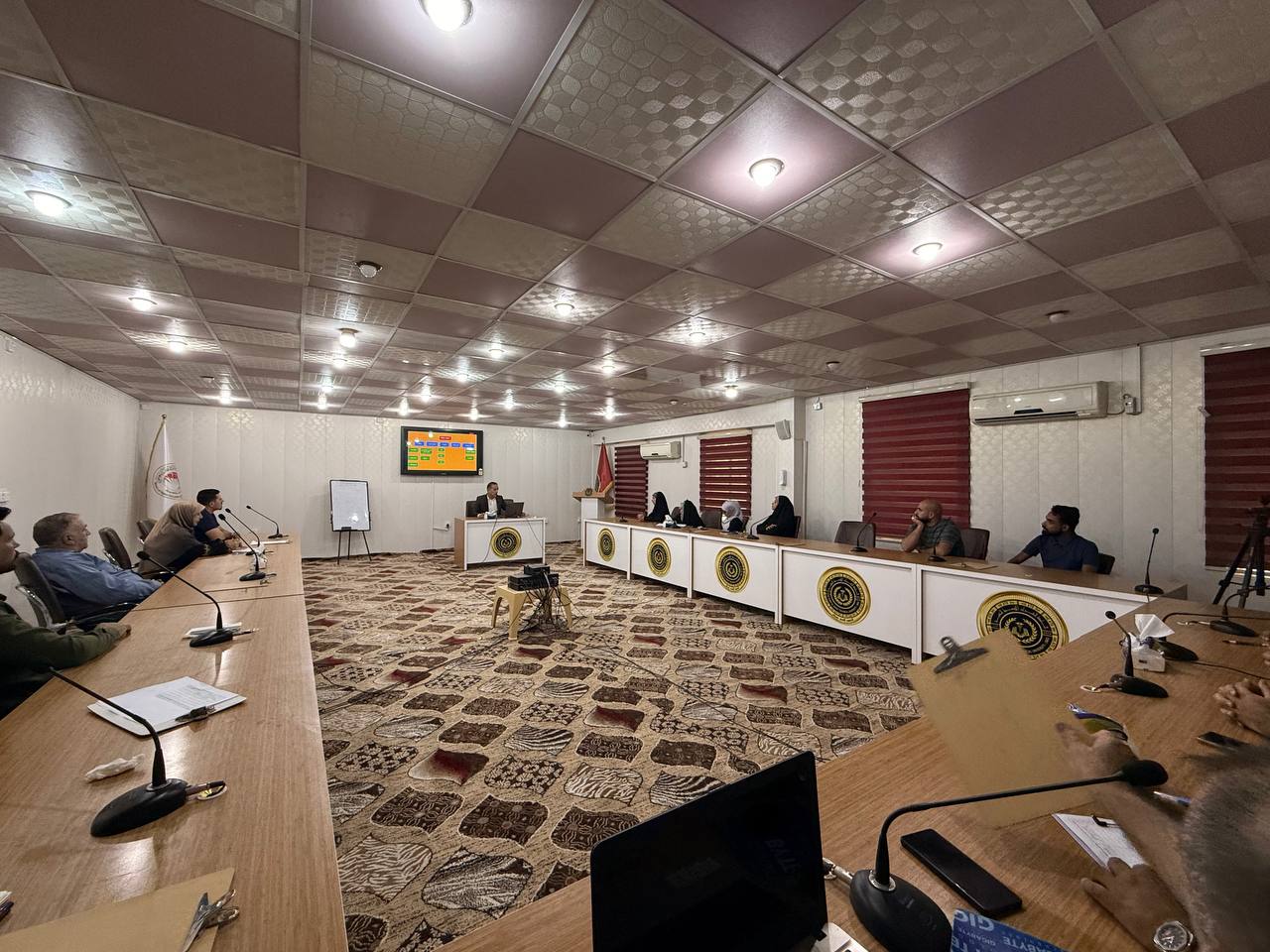
The Continuing Education Unit at the Karbala Polytechnic College is a fundamental pillar for developing human capital and keeping pace with modern scientific and technological advancements. The unit earnestly strives to be a local and regional leader by providing innovative, high-quality training and qualification programs for all academic, technical, and administrative staff. Its role extends beyond the internal academic scope to enhance community partnership by meeting the training needs of state institutions, civil society organizations, and the private sector. Through exchanging expertise and rigorously monitoring the field implementation of plans, the unit is committed to awarding accredited certificates of participation and recognizing outstanding efforts, thereby creating a sustainable educational environment that drives development forward.
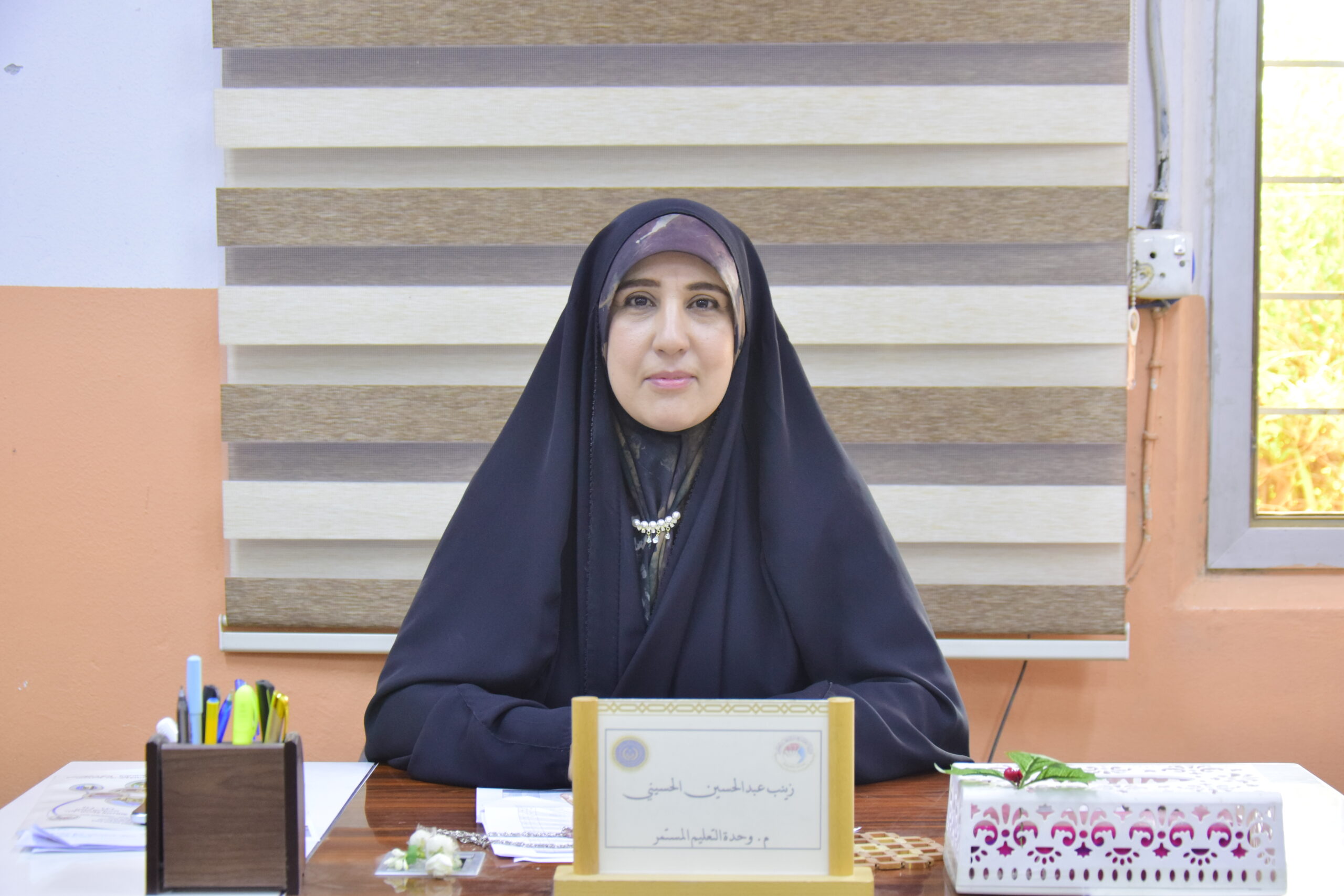
مدير الوحدة

Unit Director : Asst. Lect. Zainab Abd Al-Hussein Jumaa

The Continuing Education Unit aspires to be the best unit within the college, as well as across the university's formations and other universities. It aims to achieve this by delivering top-tier scientific and training services to program participants through effective training designed to prepare, qualify, and upskill human resources to perform their duties efficiently across all specialties, ensuring they keep pace with these modern developments.

Its mission is to provide advanced and modern programs to all personnel of the college, the university, state institutions, and civil society organizations. This aims to prepare individuals capable of delivering the best services to their community by developing human resources and equipping them with the finest and latest training and educational technologies.


  1. Training academic, technical, and administrative staff across all departments, sections, and units within the college, university formations, and other universities during their service on the most essential modern skills and techniques required in the workplace to enable them to perform their duties to the fullest extent.

  2. Deepening the connection between the college and society, including state institutions, government departments, and civil society organizations, by organizing specialized training programs for them in various scientific and technical fields.

  3. Fostering openness toward universities and state institutions to exchange training expertise across all areas of education and training.

  4. Gaining insight into work methodologies within official institutions, government departments, and the private sector to identify what can serve them in developing their scientific and educational activities, raising performance levels, and improving their training programs.

  5. Identifying the training needs of the university's personnel and working towards implementing them.

  6. Monitoring the provision of all required supplies and logistics necessary to conduct the training programs.

  7. Field-monitoring the implementation of training plans set by the scientific departments within the college.

  8. Awarding certificates of participation to trainees enrolled in the implemented training programs in accordance with the regulations.

  9. Encouraging program administrators by granting them official letters of thanks and appreciation from the respected Dean.