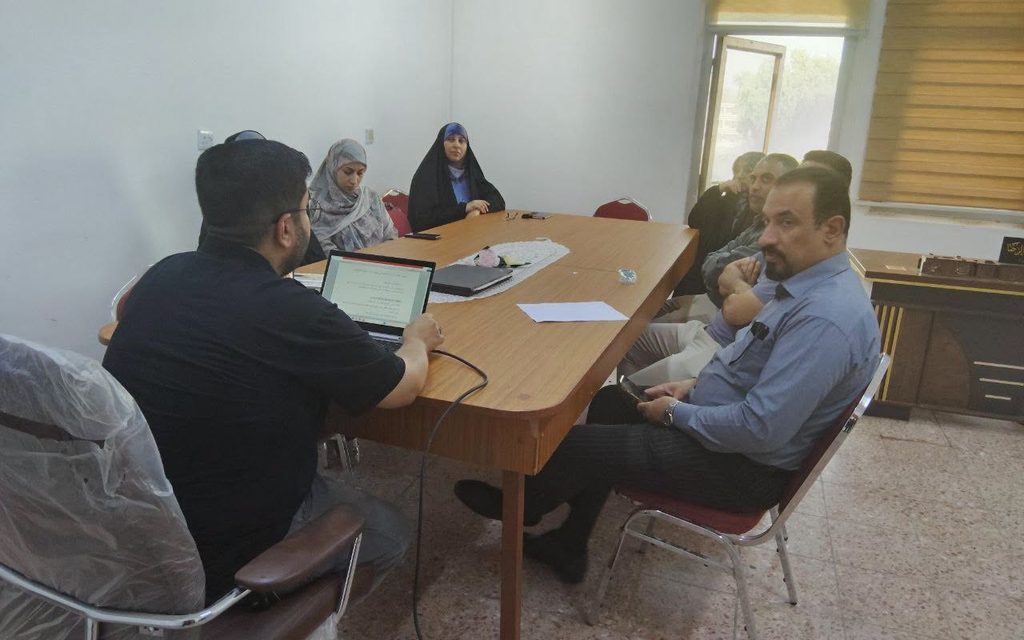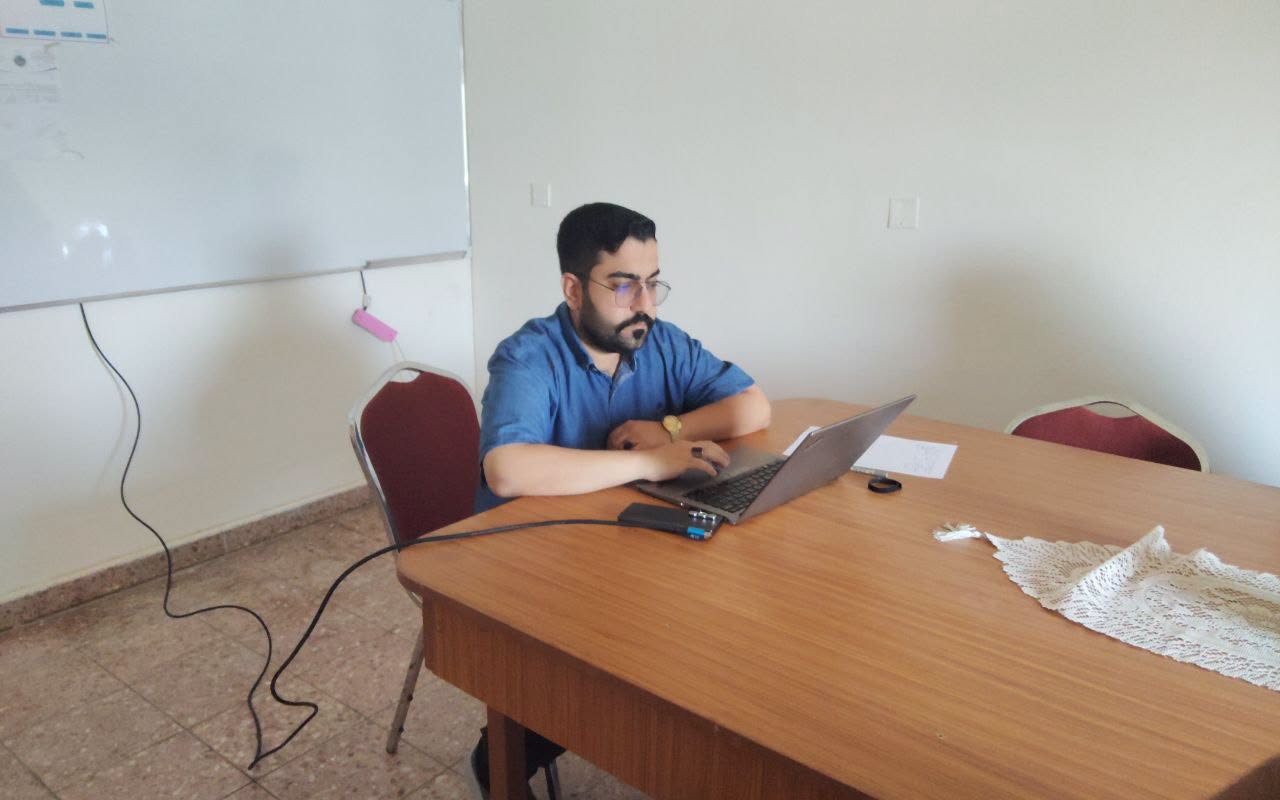
Within Karbala Polytechnic College’s interest in enhancing financial and banking awareness and keeping pace with developments in the banking sector, the Financial and Banking Sciences Technology Department organized a scientific seminar titled “Islamic Banks Between Sharia Requirements and the Challenges of the Contemporary Financial System,” presented by faculty member Asst. Lect. Bilal Adel Masikh.
The seminar aimed to introduce the role of Islamic banks in providing financial services compliant with the provisions of Islamic Sharia, demonstrate the importance of balancing adherence to Sharia regulations with keeping pace with financial and banking developments, and highlight the contribution of these banks to supporting economic development and enhancing financial stability.
The seminar addressed the principles of Islamic banking, particularly the prohibition of usury (Riba) and the adoption of financing modes based on partnership (Musharakah) and cost-plus financing (Murabahah). It also discussed the most prominent challenges facing Islamic banks in light of technological advancement and escalating competition within the contemporary financial system. Its themes included practical examples of Islamic financing mechanisms and their role in funding projects and meeting the needs of individuals and institutions.
The lecturer emphasized the importance of developing banking products and services to meet modern requirements while maintaining compliance with Sharia provisions, alongside investing in financial technology (FinTech), qualifying banking competencies, and strengthening transparency and Sharia governance. This supports the competitiveness of Islamic banks and expands their role in project financing and achieving sustainable economic development.
This seminar comes as part of the department’s scientific activities aimed at linking academic knowledge with contemporary banking applications, supporting the directions of Al-Furat Al-Awsat Technical University and the Ministry of Higher Education and Scientific Research in advancing university education and enhancing the role of academic institutions in serving the community.