
Skip to content

The University Psychological Counseling Unit at the Karbala Polytechnic College is a fundamental pillar for providing specialized, high-quality professional services aimed at achieving sound psychological, social, and professional adjustment for all members of the educational system. Through its vision and mission, the unit seeks to instill moral values and ideals, promote citizenship values, and encourage students to adhere to university traditions, regulations, and the unified dress code, while avoiding negative behaviors. It also works to enlighten students on how to manage stress and immunize them against extremist ideas, while receiving their inquiries and finding solutions to their problems. In addition, the unit is keen to enhance the academic efficiency of the faculty members and organize awareness seminars and workshops to establish a culture of mental health, as well as supporting researchers and engaging students in various activities, aiming to create an attractive and motivating university environment that achieves balance and integration in managing the educational process in accordance with its successive counseling plans.
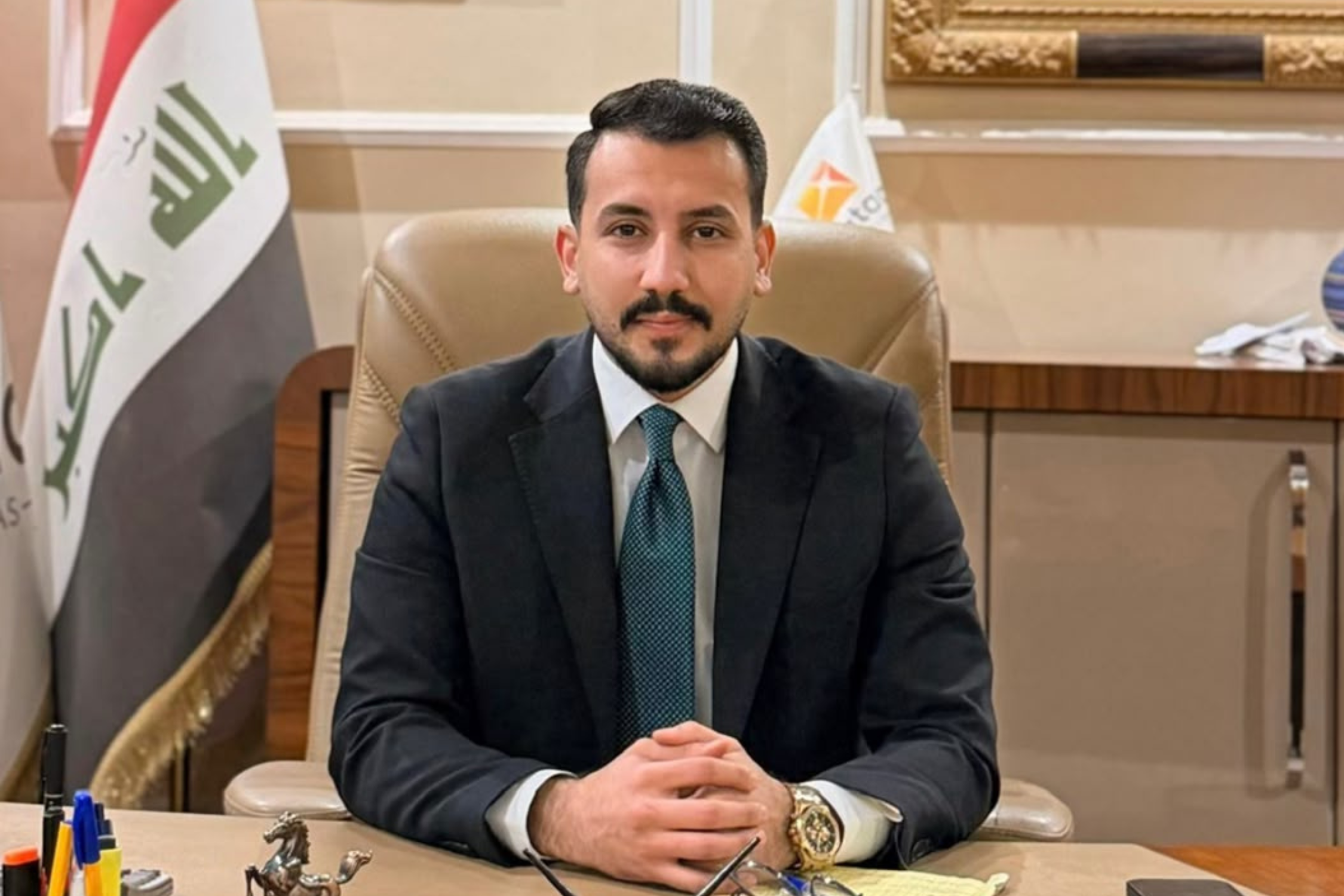
Unit Director : Asst. Lect. Mohammed Hamed Kadhim

Counseling is a specialized professional service provided within educational institutions. At the same time, it is an interactive counseling relationship between the counselor (the specialist) and the counselee (the one seeking help), aimed at assisting the individual in diagnosing and treating their family, social, and educational problems, and choosing the appropriate solutions for them.
Educational guidance is a process of providing assistance to individuals through a set of services that address educational, psychological, social, and vocational aspects. This enables them to understand themselves and their capabilities, choose the correct and essential path for life, and modify their behavior in order to overcome difficulties and achieve positive goals in correcting their conduct within society.
Providing high-quality psychological and educational counseling services to achieve the model of the ideal individual, with the ultimate goal of advancing society.
Striving to provide the appropriate mechanisms to deliver psychological counseling and educational guidance support to all members of the educational system, and working to develop their skills and capabilities to achieve sound psychological, social, and professional adjustment with themselves and with others.

  1. Providing various counseling, psychological, and social consultations, as well as assisting students who suffer from psychological and social problems to achieve sound psychological and social adjustment with themselves and others.

  2. Instilling moral, ethical, and social principles and ideals within students, and ensuring adherence to university traditions and campus ethics, which include:

    • Academic competition among students and avoiding cases of cheating.

    • Commitment to daily attendance, attending lectures, and entering classrooms before the instructor.

    • Mutual respect among all members of the educational system.

    • Understanding the concept and boundaries of fellowship.

    • Adherence to the unified dress code.

    • Compliance with the instructions and regulations issued by the Ministry.

    • Developing ethics and citizenship values among students to build an integrated personality.

    • Staying away from condemned behaviors such as moral degradation, smoking, alcohol consumption, and drug abuse.

    • Rejecting divisive factors, refraining from offending religious beliefs or national unity, maintaining national cohesion, and protecting youth against extremist ideas.

    • Enlightening, educating, and helping students manage stress to protect them from psychological and behavioral disorders using the best methods to prevent and avoid problems through follow-ups and conducting counseling and awareness meetings, thereby achieving psychological and social adjustment, helping in self-actualization, and creating an educational environment that drives outstanding performance and success.


  3. Enhancing the academic, research, and functional efficiency of faculty members by developing the work of scientific and counseling committees.

  4. Organizing awareness conferences, seminars, courses, and workshops to establish counseling, educational, and academic principles within the educational institution, and spreading cultural, educational, and mental health awareness among members of the educational system (faculty, university students, and administrative staff).

  5. Improving the educational process by making the university environment attractive and facilitative for learning—rather than frustrating or hindering, where learners can fulfill their needs, confront their problems, and achieve self-actualization.

  6. Working to promote sound academic behaviors and providing individuals (members of the educational system) with self-regulation and self-guidance skills, which means raising their awareness of themselves, their potential, and their understanding of their circumstances and surroundings to provide balance and integration in managing the educational process, and helping them deal with any pressures that may affect their personal behavior.

  7. Working to hold joint meetings between the personnel of the educational institution across all academic and administrative levels (faculty, students, and workers) to promote the necessity of adopting an academic and professional approach during their presence in educational institutions to perform their duties, each according to their role, in driving scientific progress and projecting a distinguished academic, university, and educational image.

  8. Receiving psychological inquiries and consultations raised by university students and finding appropriate solutions for them.

  9. Urging workers in the educational institution to cooperate with one another to overcome professional difficulties.

  10. Involving students in activities organized by the psychological counseling and educational guidance units in colleges, such as conferences, seminars, and lectures.

  11. Contributing to the preparation of posters and wall boards, and issuing counseling and awareness brochures that develop university students' awareness and improve their behavior so they do not fall prey to psychological, social disorders, or diseases.

  12. Providing aid, assistance, and participating with researchers in conducting studies and research that address and treat psychological and social problems among students, and proposing recommendations to develop the psychological counseling and educational guidance process.