
Skip to content

About the Department

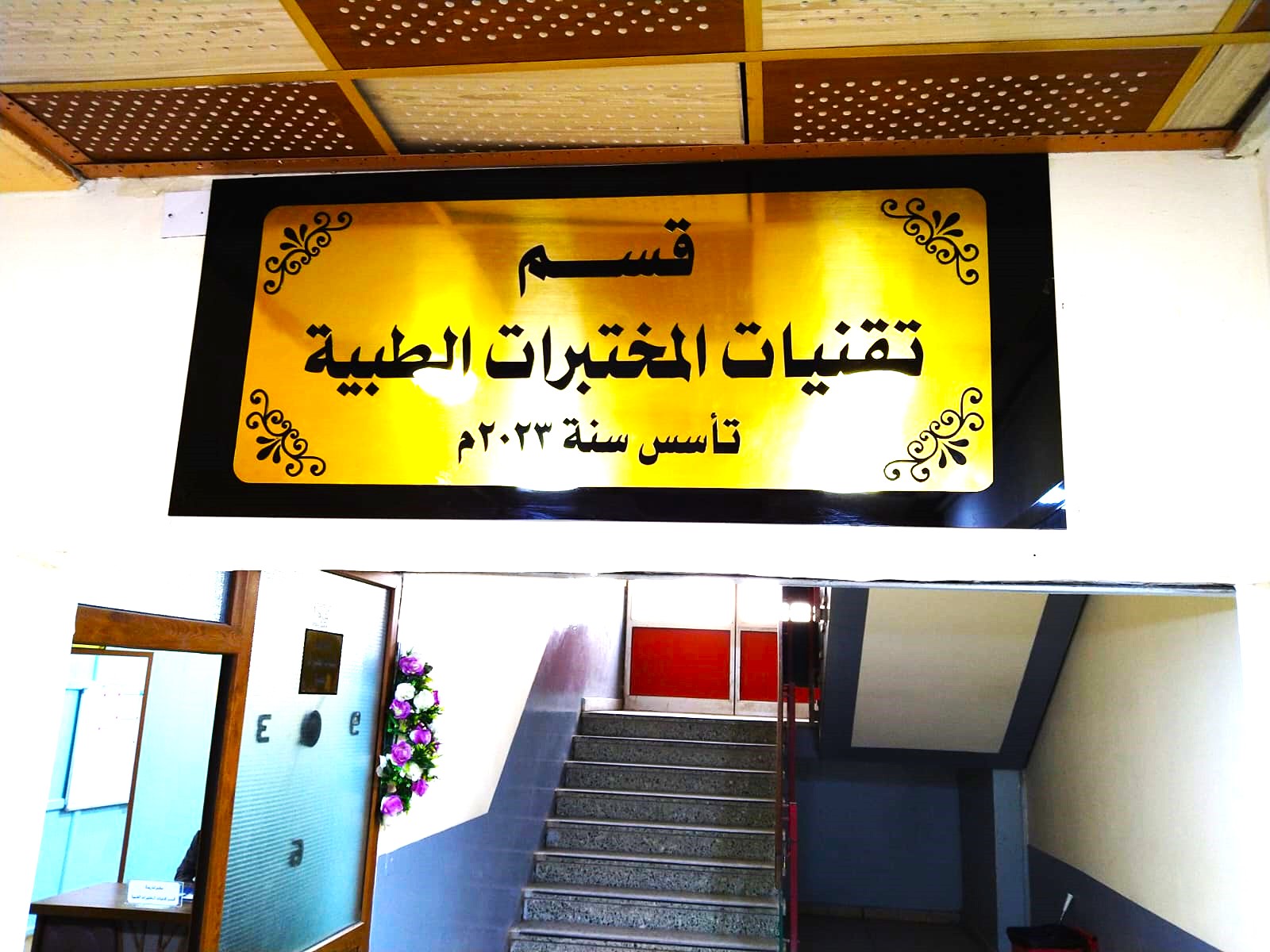
The Medical Laboratory Techniques Department was established in 2023 as part of Al-Furat Al-Awsat Technical University's efforts to prepare distinguished medical staff. The department aims to integrate theoretical knowledge with precise technical skills in accordance with quality and academic accreditation standards, enabling its graduates to effectively contribute to supporting healthcare institutions and elevating the quality of diagnostic services.

The Medical Laboratory Techniques Department is aligned with the vision of Al-Furat Al-Awsat Technical University, which aims to provide distinguished education to prepare leaders in applied medical sciences who are capable of delivering highly efficient health services while adhering to religious and ethical values. The department seeks to equip graduates with the necessary knowledge and expertise to support health and educational institutions, expand the base of technical education to achieve leadership in education, and engage with healthcare institutions to achieve sustainable development goals.

The Medical Laboratory Techniques Department was established in response to the community's need for specialized technical medical personnel in accordance with comprehensive quality and academic accreditation standards. Therefore, the department's mission is manifested in teaching, learning, research, and development. This is achieved by graduating staff well-versed in theoretical knowledge and technical skills that ensure the highest quality of laboratory services, while qualifying graduates to keep pace with modern technical advancements in the field of laboratory analysis.

The department aims to:


  1. Prepare specialized medical technical staff in medical laboratory sciences capable of performing all laboratory analyses, such as blood and body fluid tests, clinical chemistry, hormones, and immunology, in addition to identifying microorganisms, conducting histological examinations, and operating and maintaining laboratory equipment.


  2. Enhance collaboration with health institutions, as well as public and private hospitals, in various fields of laboratory analysis to provide scientific solutions and develop work practices within educational laboratories.


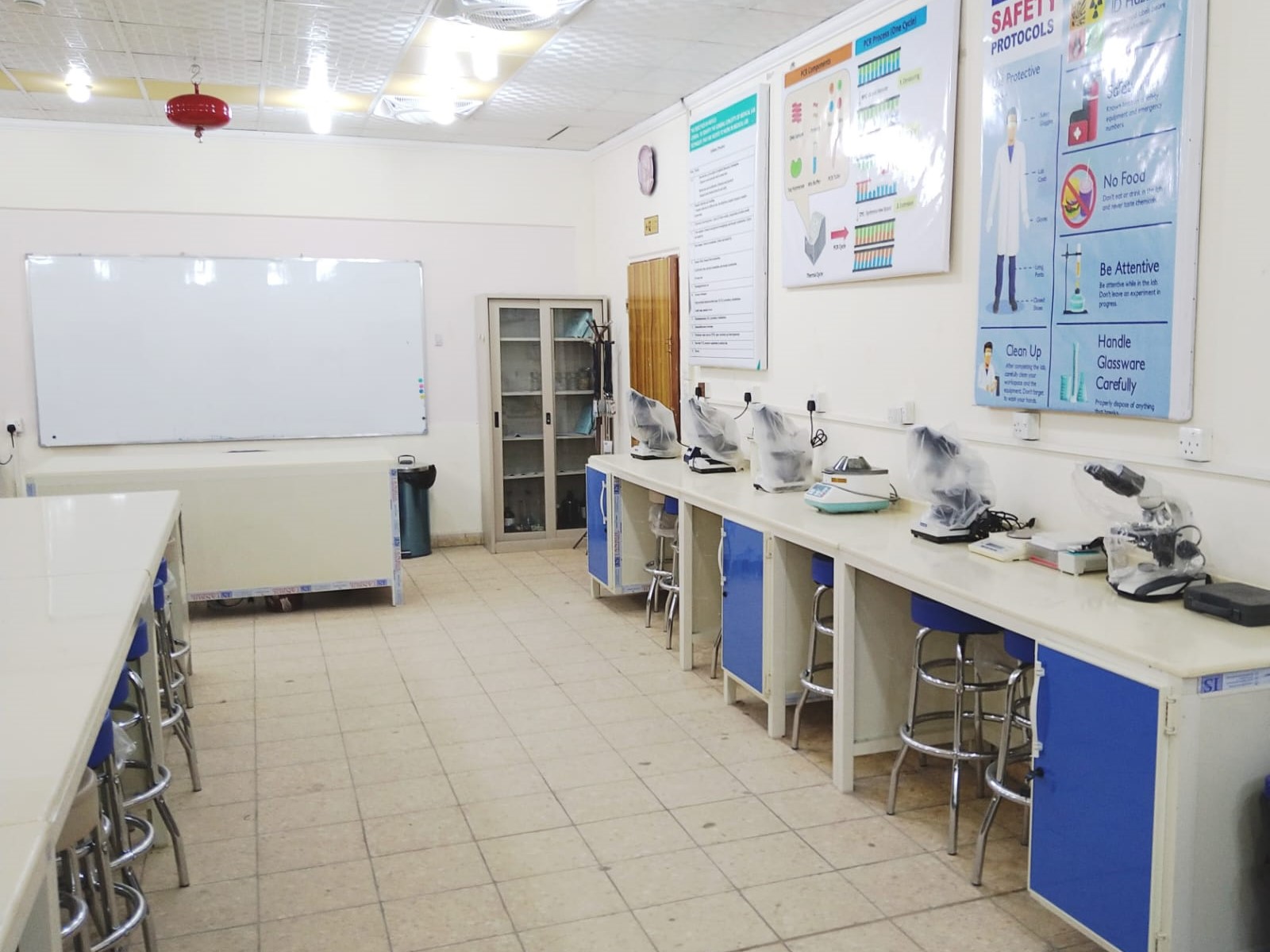
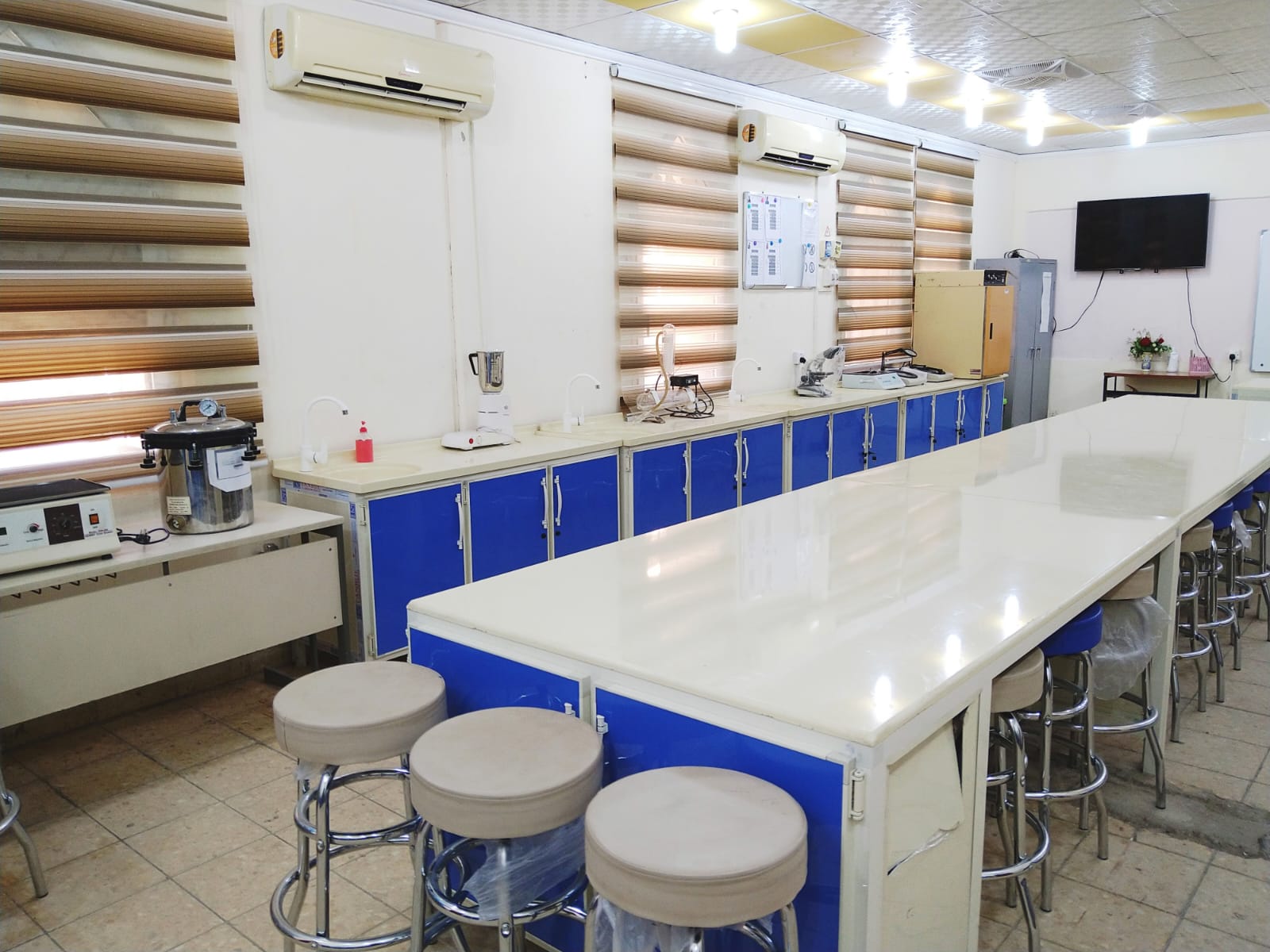
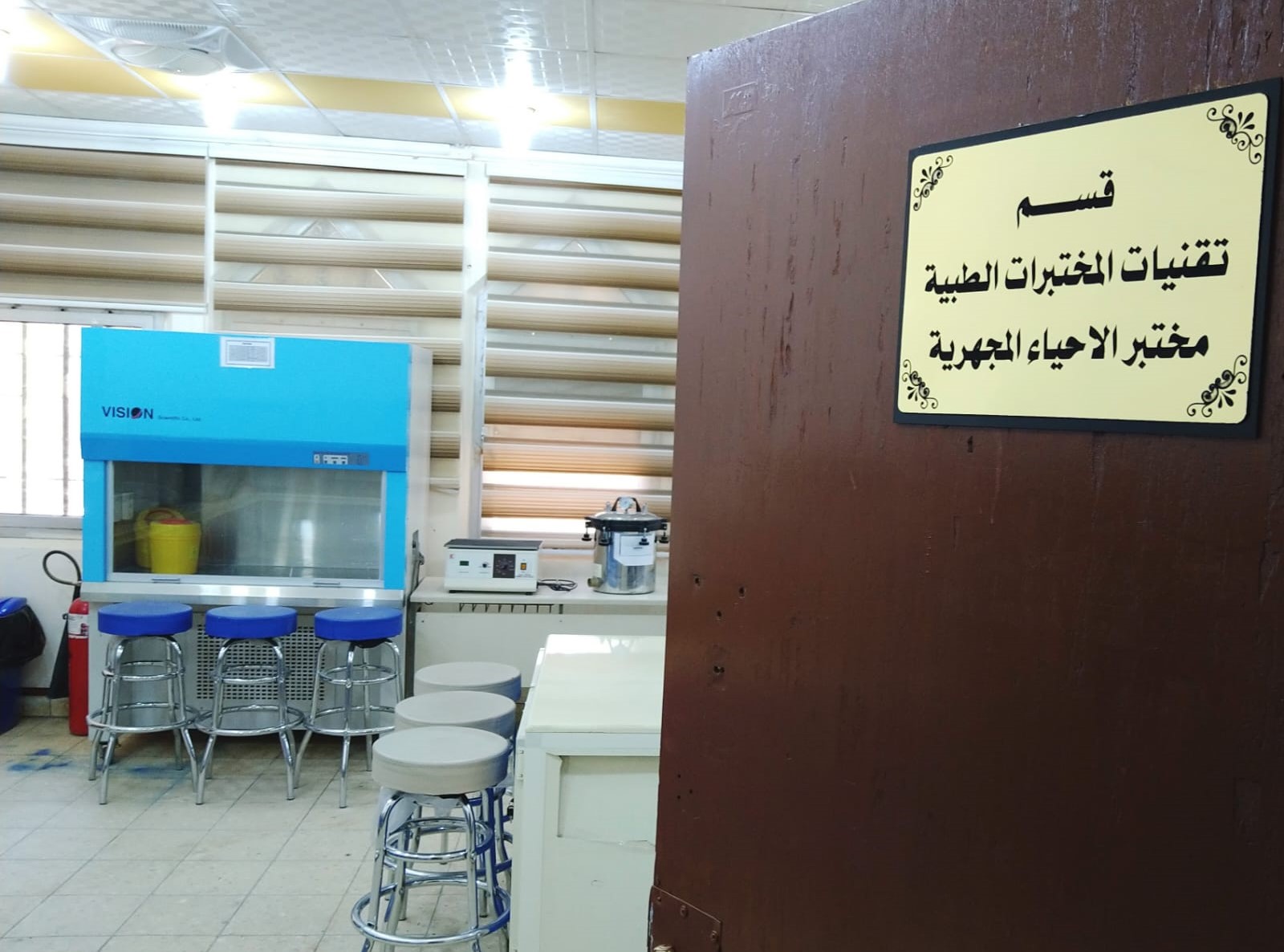
  3. Utilize modern laboratory equipment technologies in education and training, continuously follow up on the development of academic curricula and training plans, and work on upgrading laboratories and equipping them with the necessary devices.


  4. Ensure precision and dedication in building advanced laboratories that operate in accordance with the guidelines of international standardization organizations (such as CLSI, WHO, and ISO).


  5. Develop the research, scientific, and technical capabilities of the academic staff, keep pace with modern developments, and encourage the use of advanced methods in specialized fields through participation in conferences, symposiums, workshops, and scientific and practical courses.


  6. Strive earnestly to implement national accreditation requirements with the goal of obtaining programmatic and institutional accreditation.


  1. Performs various laboratory analyses, including blood, urine, and other body fluid tests, as well as biochemical, immunological, and hormonal assays.


  2. Isolates and identifies microorganisms from clinical specimens to determine the type of pathogenic microbes, providing accurate results to support medical diagnosis.


  3. Prepares the necessary solutions and reagents for laboratory tests, in addition to formulating and sterilizing culture media used for cultivating microorganisms.


  4. Operates and maintains advanced laboratory equipment, such as chemistry analyzers, blood gas analyzers, and microscopy instruments, ensuring their accuracy and reliability.


  5. Monitors and implements quality control standards within the laboratory to ensure the accuracy and reliability of analytical results.


  6. Adheres to laboratory safety and security protocols, including the proper handling of chemical and biological materials, to protect oneself and others from potential hazards.


  7. Performs blood withdrawal (phlebotomy) from patients in accordance with medical protocols, properly stores specimens, and prepares them for analysis.


  8. Works in coordination with physicians, nurses, and specialists by providing test results that assist in diagnosing diseases and determining appropriate treatments.


Department News and Activities

Prev |
Next

Under the Slogan “Today&...

Within its strategy aimed at enhancing the applied academic path and opening up to qualitative scien...
view more

Medical Laboratory Technology...

Within the framework of the Medical Laboratory Technology Department's keenness at Karbala Polytechn...
view more