
Skip to content

Established in 2025 and operating under the Assistant Dean for Scientific Affairs and Students, the Human Rights Unit at the Karbala Polytechnic College serves as a fundamental pillar for institutionalizing the values of justice and dignity within the academic environment. The unit aims to foster a culture of human rights among students, faculty, and staff by organizing educational workshops and seminars, with a strategic focus on supporting scholarly research in this vital field. Furthermore, it is tasked with monitoring and documenting potential violations while providing the necessary legal and academic consultations to ensure a safe and equitable educational setting. Through proactive collaboration with national and international organizations, the unit seeks to enhance legal protection mechanisms and public awareness, culminating in the preparation of periodic reports that document its achievements in serving the university community.
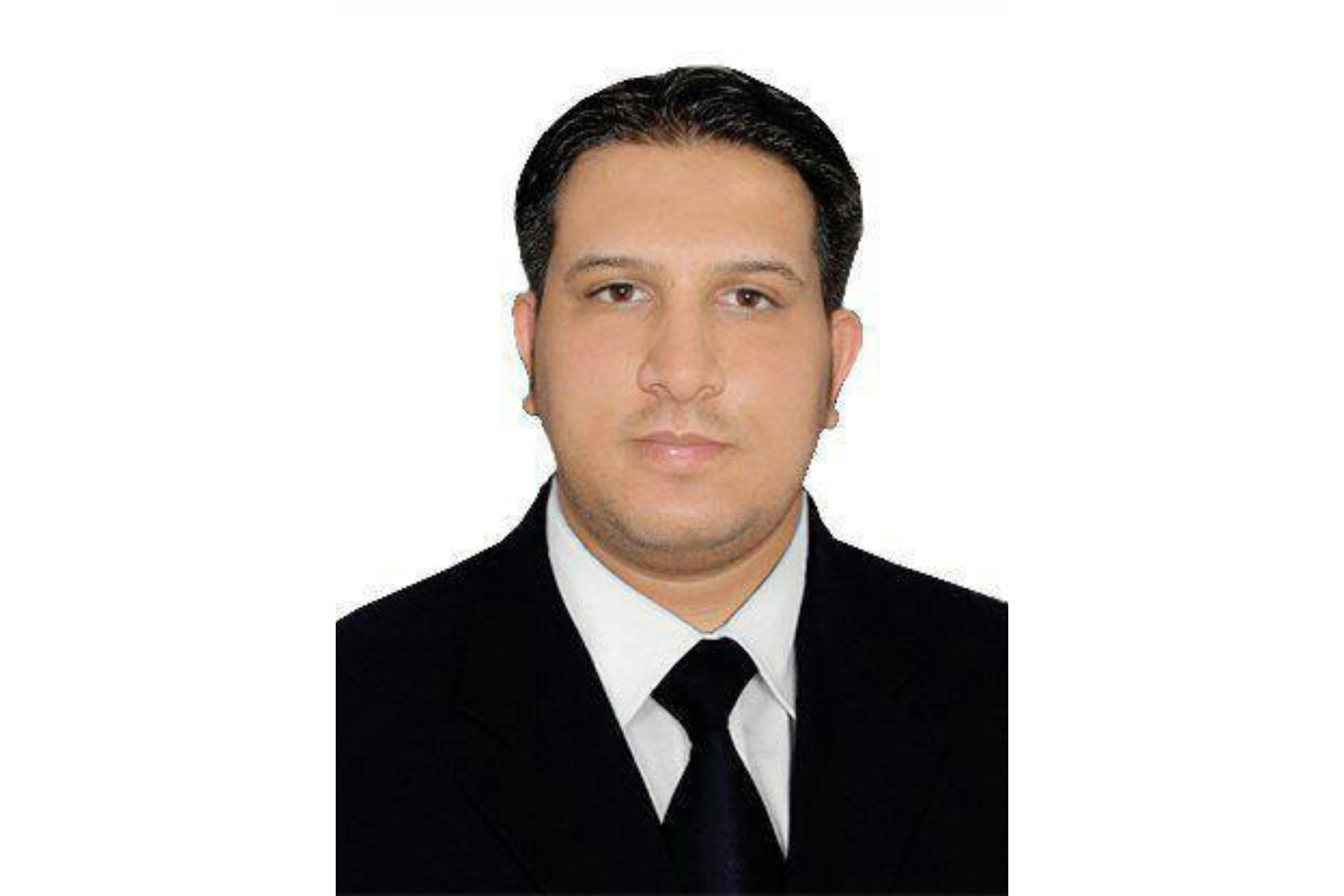
مسؤول الشعبة

Unit Director : Dr. Talal Mudhafar Ghazi


  1. Disseminating human rights awareness and values among students, faculty members, and administrative staff.

  2. Organizing specialized workshops and training programs designed to enhance awareness of human rights principles.

  3. Identifying and documenting potential human rights violations within the university environment and facilitating their resolution.

  4. Partnering with relevant government agencies and international organizations to advance human rights standards.

  5. Empowering scientific research and encouraging specialized academic studies within the field of human rights.


  1. Education and Awareness: Developing educational lectures and seminars focused on human rights principles and their protection mechanisms.

  2. Support and Consultation: Providing specialized legal and academic consultations regarding issues related to human rights.

  3. Monitoring and Documentation: Tracking and documenting potential human rights violations within the institute and submitting appropriate recommendations to the administration.

  4. Partnerships and Cooperation: Establishing collaborative relationships with specialized human rights entities at both national and international levels.


  1. Events and Programming: Organizing symposiums and seminars addressing contemporary human rights issues.

  2. Legal Training: Developing specialized training programs centered on the legal protection mechanisms of human rights.

  3. Awareness and Publications: Issuing educational materials and publications regarding the fundamental rights of students, faculty, and staff.

  4. Global Engagement: Participating in national and international campaigns aimed at the global promotion of human rights.

  5. Academic Outreach: Conducting workshops and lectures designed to embed human rights concepts within the student body and faculty.

  6. Research and Scholarly Studies: Encouraging academic research that explores human rights issues and their socio-economic impact on administration and economics.

  7. Advisory Services: Providing institutional support and expert consultation to students and faculty members on human rights-related matters.

  8. Civil Society Engagement: Establishing strategic partnerships with local and international non-governmental organizations (NGOs) to foster collective awareness.

  9. Monitoring and Ethics: Observing and documenting potential violations while addressing them through rigorous legal and ethical frameworks.

  10. Reporting and Documentation: Systematically recording all unit activities and preparing periodic reports to highlight progress and institutional achievements.